

Online Gaming & Teenagers: Hidden Risks Parents Should Understand
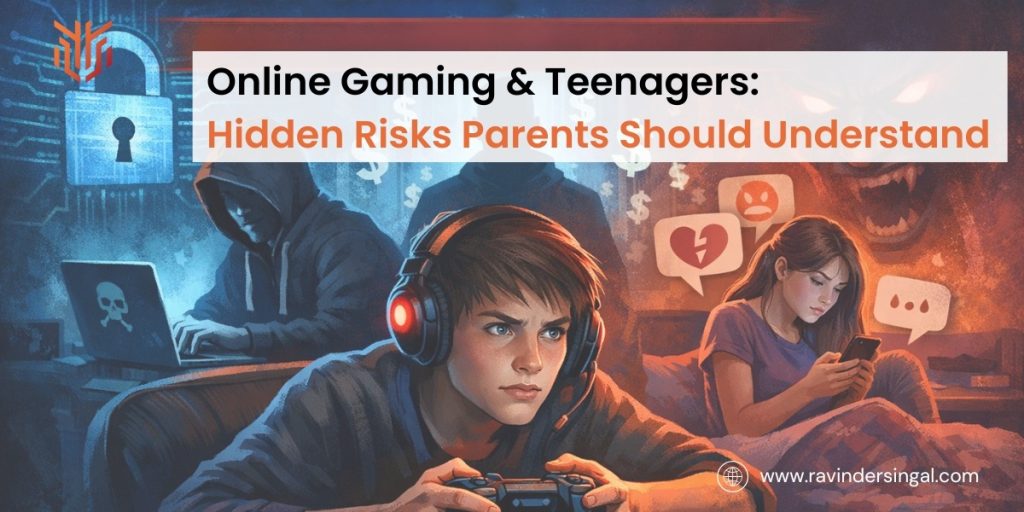
In today’s digital age, understanding online gaming for teenagers has become crucial – not just as a form of entertainment, but as a domain filled with hidden risks parents should understand. As someone who has closely observed societal trends and youth behavior over decades, I genuinely appreciate the benefits of technology. However, when it comes to teenagers and video games, we must balance enthusiasm with awareness. The joy of gaming shouldn’t mask the risks of online gaming, and every parent should grasp the nuances before it’s too late.
In this comprehensive guide, we’ll unpack online gaming addiction, its impact on teen behavior and mental health, parental guidance for online gaming, and actionable strategies to ensure your child’s gaming habits are healthy rather than harmful.
Understanding the Landscape: Why Teens Are Drawn to Online Gaming
Online gaming for teenagers offers immersive worlds, social connectivity, and a sense of achievement. Games like Fortnite, PUBG, Minecraft, and Roblox have become staples in youth culture, often replacing traditional hobbies. For many teens, these games provide:
- A space to socialize with friends
- A platform for competition
- A way to unwind after school
Yet, with these benefits come risks of online gaming that parents too often overlook. As the lines between virtual rewards and real‑life satisfaction blur, teenagers and video games don’t just represent fun – they can subtly shape emotional responses and behavioral patterns.
What Exactly Is Online Gaming Addiction?
At its core, online gaming addiction is not just about playing video games longer than you should. It’s a complex psychological condition where gaming becomes a primary way of coping with stress, boredom, or emotional emptiness – and this has been recognized in clinical research. Excessive gaming over long periods can disrupt daily routines, academic performance, and social interactions. Multiple studies have confirmed that problematic gaming patterns in teens can lead to diagnosable disorders similar to other behavioral addictions.
Parents should note that online gaming addiction differs from casual play – while healthy gaming supports leisure and skills, addiction harms emotional well‑being, school engagement, and relationships.
Impact of Gaming on Teens: Beyond the Screen
Behavioral and Psychological Effects
One of the most concerning aspects of how online games affect teen behavior is their influence on emotional regulation and psychological health. Research shows that nearly 18–19% of adolescents engaged in extensive gaming may exhibit patterns linked to internet gaming disorder (IGD). These aren’t just academic numbers – IGD is associated with increased levels of depression, anxiety, and stress in teenagers.
Even when gaming doesn’t reach clinical addiction levels, excessive screen time can foster:
- Poor sleep patterns
- Emotional dependency on game success
- Reduced interest in offline activities
- Heightened irritability when gaming is interrupted
All of these contribute to the broader concern of gaming habits and mental health in teenagers.
Physical and Cognitive Considerations
It wouldn’t be fair to look only at psychology without acknowledging the impact of gaming on teens’ physical health. Extended periods of screen time often lead to sedentary lifestyles – contributing to eye strain, poor posture, back and neck discomfort, and even reduced physical activity.
Coupled with this is the fact that teenagers may lose valuable time for exercise, social play, and academic work – all critical for healthy development.

Hidden Risks of Online Gaming for Teenagers
Exposure to Inappropriate Content
While not all games are harmful, many online platforms expose teens to violence, explicit language, or mature themes that aren’t age‑appropriate. This is more than just discomfort – continuous exposure to hostile environments and hurtful interactions can shape attitudes and normalize inappropriate behavior.
Interacting with Strangers and Safety Threats
Unlike single‑player offline games, online gaming for teenagers often involves interacting with unknown players. This can bring unwanted risks such as:
- Sharing personal information
- Being exposed to grooming tactics
- Encountering toxic communities or bullying
Parents must understand that these risks go beyond the game itself – they tie into broader online safety concerns for teens.
Parental Guidance Online Gaming: A Critical Responsibility
Importance of Active Monitoring
Parental guidance online gaming isn’t about banning gameplay entirely – it’s about visibility and involvement. Today’s parents must take an active interest in not just what games their teens play, but how they interact within them. Questions to consider:
- Who are they playing with?
- How much time do they spend daily?
- Are their academic or social behaviors changing?
Effective oversight can prevent mild gaming habits from sprouting into problematic patterns.
Setting Healthy Limits on Screen Time
Regulating screen time for teenagers is not optional – it’s foundational. Setting realistic boundaries, including designated gaming hours, device-free meals, and ‘study zones,’ helps teens manage their time effectively. Excessive screen use without structured limits correlates strongly with both emotional and academic issues, making this a top priority for all parents.
Teen Internet Safety: The Broader Context of Online Gaming
Online gaming operates within the larger realm of digital usage. That’s why teen internet safety strategies should incorporate gaming habits. Here’s what parents should emphasize:
- Teach children never to share personal data online
- Use privacy controls and parental controls
- Encourage reporting and blocking features on gaming platforms
- Discuss risks like scams, phishing, or fake gaming downloads
From cybersecurity threats to in‑app purchases and gambling elements, online games aren’t isolated from broader internet hazards. This is precisely why parental guidance for online gaming must be proactive rather than reactive.
Managing Teen Screen Time and Gaming: Practical Tips
Establishing Boundaries with Technology
Balancing life, leisure, and gaming is an art – one that begins with structured schedules. Encourage your teenager to prioritize:
- Sleep
- Schoolwork
- Outdoor or social activities
- Family interactions
Screen time limits ensure that gaming remains a hobby, not a priority.
Encourage Open Communication
One of the biggest mistakes parents make is restricting access without meaningful conversation. Teens need to feel heard and respected. Instead of threats, try these approaches:
- Ask them what they enjoy about their games
- Set shared goals for study and play
- Explore healthy alternatives together
Your guidance should empower – not alienate.
The Dangers of Online Gaming for Teens: When It Crosses the Line
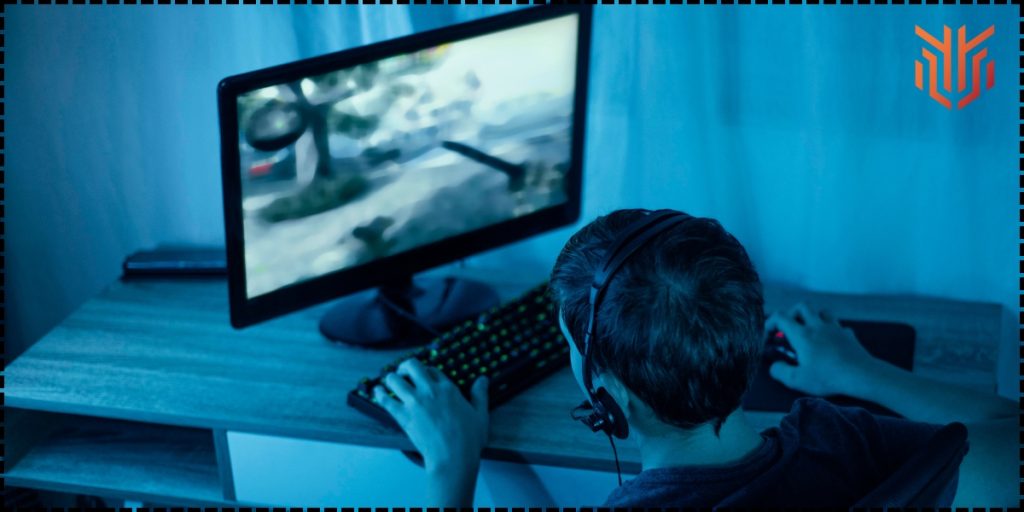
When gaming starts to interfere with day‑to‑day functioning – affecting relationships, studies, and self‑care – it’s no longer a harmless pastime. Some red flags include:
- Irritability without gaming
- Skipping meals or sleep to play
- Declining academic performance
- Isolation from offline friends
These behaviors signal deeper issues related to online gaming addiction, and early intervention is essential.
Conclusion: A Balanced Path Forward
In my years of working with families and understanding adolescent behavior, I’ve come to believe that online gaming for teenagers is neither inherently good nor inherently bad. It’s a cultural reality of our times – a digital space that offers both joy and risks. But the key lies in education, awareness, and active parental involvement.
Parents must recognize the hidden risks of online gaming for teenagers, from addictive patterns and mental health impacts to online safety threats and behavioral challenges. The goal is not to demonize gaming – but to help our children enjoy it responsibly while safeguarding their emotional, psychological, and social development. With structured limits, open communication, and empathetic guidance, gaming can be part of a healthy, balanced adolescence.
Your role as a parent is irreplaceable – and the earlier we adopt informed strategies, the better equipped our children will be to thrive in an increasingly digital world.
— Dr. Ravinder Singal
Also Read: Digital India & Safety: Staying Safe in a Connected World – Dr. Ravinder Singal
Frequently Asked Questions (FAQs)
1. What are the main risks of online gaming for teenagers?
A: The primary risks include addiction symptoms, exposure to inappropriate content, online safety threats, decreased academic performance, and negative impacts on mental health.
2. How can parents identify online gaming addiction in teens?
A: Look for signs such as excessive playtime, irritability without gaming, declining school performance, and avoidance of social or outdoor activities.
3. Are all video games harmful for teens?
A: No, many games are harmless or even beneficial in moderation. The issue arises with excessive gaming, unmanaged screen time, and gameplay that interferes with daily life.
4. What steps can parents take to promote online safety?
A: Use parental controls, teach about privacy protection, set boundaries, monitor online interactions, and encourage open dialogue about experiences.
5. Can gaming impact a teen’s mental health?
A: Yes – excessive gaming addiction has been linked to increased stress, anxiety, depression, and emotional distress.
6. How much screen time is healthy for teenagers?
A: Experts generally recommend limiting recreational screen time to about 1–2 hours per day, though this can vary depending on individual routines and responsibilities.
Follow me on Social Media! Stay Connected & Stay Ahead!
📘 Facebook || 📸 Instagram || 💙 Twitter || 💼 LinkedIn || 📍 Pinterest || ▶️ YouTube

Quitters Don’t Win and Winners Don’t Quit.
Ironman | Deccan Cliffhanger | Comrade Legend Finisher | Motivational Speaker | Writer | Endurance Athlete