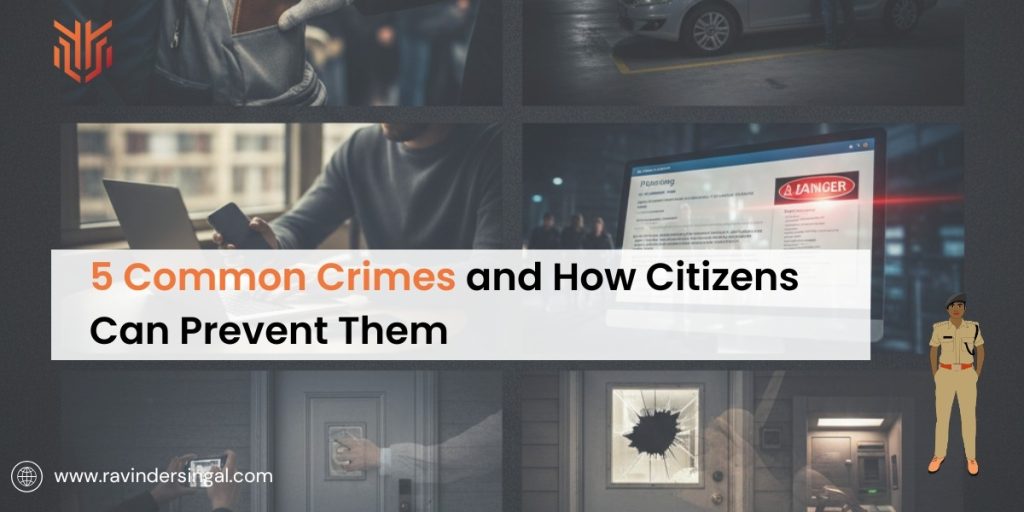


The Role of Citizens in Strengthening Law and Order
Maintaining law and order is a shared responsibility between law enforcement agencies and the citizens they serve. A society can only remain safe, secure, and harmonious when citizens actively engage in maintaining public order. Understanding the citizen role in maintaining law and order is crucial for building resilient communities and reducing crime. Public participation is not only essential for effective policing but also reinforces social trust, accountability, and cooperation.
The importance of public participation in law enforcement cannot be overstated. Citizens are the eyes and ears of the community, reporting crimes, providing intelligence, and assisting authorities in ways that strengthen law enforcement. Through proactive engagement, the community’s role in crime prevention becomes more pronounced, and law enforcement agencies can function more efficiently. Citizen cooperation with police and active participation in community programs foster a safer society for everyone.
As someone deeply involved in policing and public safety, I, Dr. Ravinder Singal, have observed firsthand how public awareness of law and order and citizen involvement can transform communities. Community policing initiatives and civic participation are not just tools – they are the foundation of a society where rules are respected, crime is minimized, and citizens feel empowered to take responsibility for their surroundings.
Understanding the Citizen Role in Maintaining Law and Order
Why Citizen Involvement Matters
The role of citizens in crime control is integral to a well-functioning legal and social system. Law enforcement alone cannot monitor every street, neighborhood, or digital space. Citizens who report crimes, follow regulations, and engage in community programs act as a force multiplier for the police.
Public participation bridges the gap between enforcement and society. For instance, citizens who participate in community policing initiatives help identify local problems, suggest solutions, and create a network of vigilance. This cooperation strengthens law enforcement effectiveness and ensures timely interventions in high-risk situations.
Civic Responsibility in Society
Every individual has a civic responsibility in society, from adhering to traffic rules to discouraging illegal activities in their neighborhood. Civic responsibility is not limited to following the law – it includes promoting ethical behavior, mentoring youth, and reporting suspicious activities. When citizens embrace these responsibilities, they actively contribute to building a safer society through citizen participation.
Public Support for Law Enforcement Agencies
A strong relationship between citizens and police is essential. Public support for law enforcement agencies ensures that officers can perform their duties effectively, without fear or unnecessary obstacles. Communities that actively participate in law enforcement reporting, neighborhood watch programs, and local advisory boards see lower crime rates and higher levels of trust.
Studies in urban India show that districts with strong citizen-police collaboration report up to a 25% reduction in property crimes compared to areas with minimal public involvement. This demonstrates that the citizen role in maintaining law and order is more than advisory – it has measurable, real-world impact.

Community Role in Crime Prevention
Crime prevention is not just a law enforcement task – it is a collaborative effort. Citizens contribute to public safety by:
- Reporting suspicious behavior
- Organizing awareness campaigns
- Participating in community policing programs
- Educating youth about ethical and lawful behavior
These actions form the backbone of the community’s role in crime prevention, creating an environment where crime is less likely to thrive.
Strategies for Effective Citizen Participation
1. Awareness and Education
Public awareness for law and order is the first step toward active participation. Citizens must understand laws, their rights, and responsibilities. Awareness programs, workshops, and digital campaigns educate citizens about:
- Reporting mechanisms
- Legal rights and protections
- Emergency response protocols
Educated citizens are proactive citizens. They help prevent crimes before they occur and strengthen the justice system by providing timely, accurate information.
2. Active Cooperation with Police
Citizen cooperation with police ensures faster response times, accurate investigations, and enhanced surveillance. Simple acts like sharing CCTV footage, participating in community meetings, and providing tips about local threats can significantly improve policing outcomes.
3. Neighborhood and Community Programs
Local initiatives, such as community policing initiatives and neighborhood watch programs, foster collaboration between law enforcement and citizens. These programs promote trust, encourage reporting, and create a sense of ownership within the community. Research indicates that neighborhoods with strong citizen involvement experience 15–20% fewer violent crimes annually.
4. Reporting and Feedback Mechanisms
Encouraging citizens to actively report crimes and provide feedback about law enforcement effectiveness is critical. Technology platforms, helplines, and mobile apps allow citizens to report issues anonymously and efficiently. This facilitates timely interventions and strengthens overall law and order.
5. Youth Engagement
Engaging young people through educational institutions and community programs is vital. Schools and colleges play a pivotal role in promoting civic responsibility in society. Programs focused on ethics, law awareness, and conflict resolution equip youth with the knowledge and values to prevent crime in the future.
Real-World Examples of Citizen Roles in Maintaining Law and Order
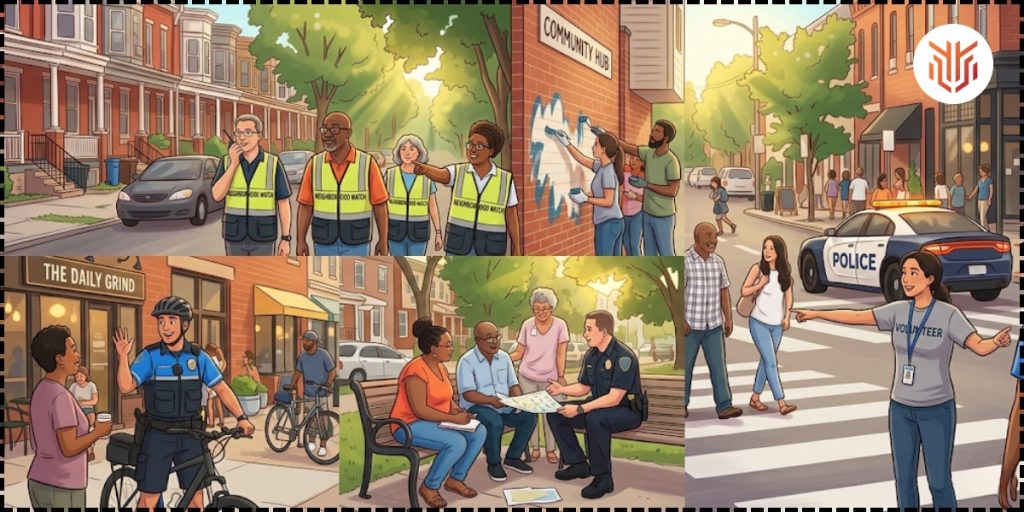
- Neighborhood Watch Programs in Delhi and Mumbai: Communities organized neighborhood vigilance groups, resulting in a 20% drop in local theft and burglary cases.
- Online Crime Reporting Platforms: Cities implementing digital reporting apps observed quicker response times and better crime tracking.
- School-based Awareness Programs: Schools conducting regular workshops on law and ethics reported reduced cases of juvenile delinquency in surrounding areas.
These examples clearly illustrate that building a safer society through citizen participation is not theoretical – it is actionable and measurable.
Benefits of Citizen Participation
The importance of public participation in law enforcement is reflected in multiple areas:
- Enhanced Safety: Active citizens help prevent crimes and assist in faster interventions.
- Community Trust: Collaboration strengthens relationships between law enforcement and the public.
- Reduced Crime Rates: Citizens acting responsibly create an environment where crime is less likely.
- Social Cohesion: Participating in community policing initiatives encourages respect, tolerance, and collaboration.
- Empowered Citizens: Awareness programs enable individuals to contribute meaningfully to public safety.
Challenges in Citizen Participation
While citizen involvement is crucial, there are challenges:
- Lack of Awareness: Many citizens are unaware of how to report crimes or participate in community programs.
- Fear of Retaliation: Individuals may hesitate to report incidents due to fear of threats or social backlash.
- Mistrust in Authorities: Distrust between citizens and law enforcement can hinder cooperation.
Addressing these challenges requires public support for law enforcement agencies, consistent communication, and transparent policies that protect citizens’ rights.
Conclusion
As an IPS officer and public safety advocate, I strongly believe that the citizen’s role in maintaining law and order is fundamental to the security and harmony of society. Law enforcement agencies can provide structure, but citizens provide vigilance, awareness, and active cooperation. Through education, engagement, and community role in crime prevention, we can build safer neighborhoods, stronger institutions, and empowered communities.
Every individual has a responsibility – to report, to educate, and to participate. When citizens actively embrace their civic duties, they not only protect themselves but also contribute to a society where laws are respected, justice prevails, and public safety is prioritized. Let us all recognize that building a safer society through citizen participation begins with awareness, action, and a shared commitment to justice.
Also Read: Crowd Management in Public Events: Lessons from the Field – Dr. Ravinder Singal
FAQs
1. What is the role of citizens in maintaining law and order?
A: Citizens play a critical role by reporting crimes, cooperating with police, participating in community initiatives, and promoting social responsibility.
2. How does public participation improve law enforcement?
A: Active citizen participation provides additional vigilance, timely reporting, and local intelligence, which enhances policing efficiency and reduces crime rates.
3. What are some examples of community programs for crime prevention?
A: Neighborhood watch programs, community policing initiatives, school awareness campaigns, and digital reporting platforms are effective examples.
4. Why is civic responsibility important for public safety?
A: Civic responsibility ensures that citizens respect laws, discourage illegal behavior, and contribute positively to social order.
5. How can technology aid citizen participation in law and order?
A: Mobile apps, digital reporting platforms, and social media campaigns enable citizens to report incidents quickly and stay informed about local safety measures.
6. What is the impact of citizen-police cooperation?
A: Cooperation leads to faster response times, lower crime rates, and stronger trust between the community and law enforcement agencies.
Follow me on Social Media! Stay Connected & Stay Ahead!
📘 Facebook || 📸 Instagram || 💙 Twitter || 💼 LinkedIn || 📍 Pinterest || ▶️ YouTube