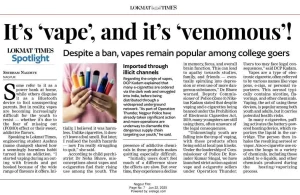
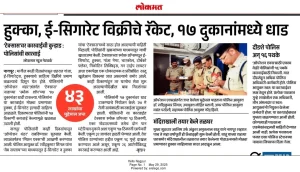
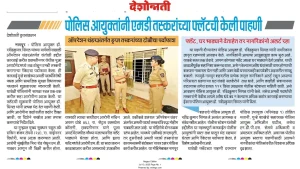
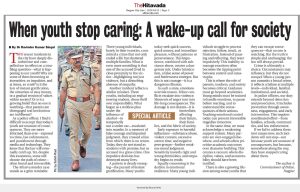
Drug abuse is not just a law enforcement issue. It is a social challenge that affects families, fuels organised crime, disrupts education, and robs young people of their potential.
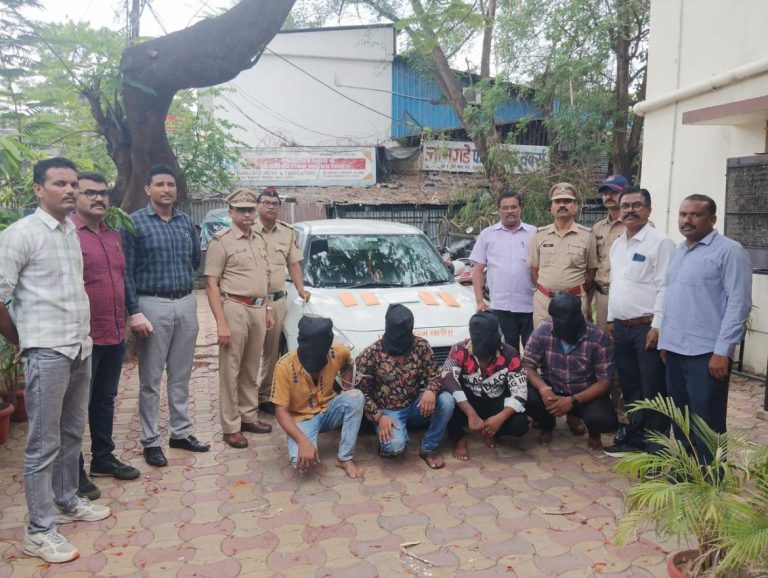
Recognising that this problem demanded more than arrests and seizures, Dr. Ravinder Singal, during his tenure as Commissioner of Police, Nagpur, conceived and spearheaded Operation Thunder as a comprehensive movement to tackle drug abuse at every level. The initiative was built on one simple belief: the fight against drugs cannot be won by the police alone. It must become a people’s movement.
A Different Approach
The initiative was designed to tackle both the supply and the demand for narcotic drugs. While strong enforcement remained a priority, equal emphasis was placed on prevention, awareness, rehabilitation, youth engagement, research, and technology. Recognising addiction as both a social and public health challenge, Operation Thunder also focused on sensitising individuals struggling with substance abuse, connecting them with counselling and rehabilitation wherever possible, and engaging psychiatrists, mental health professionals, and counsellors to strengthen prevention, intervention, and recovery efforts.
The Pillars of Operation Thunder
Intelligence-led enforcement
Community awareness and prevention
Counselling and rehabilitation
Youth leadership and engagement
Technology and research
Partnerships with educational institutions, healthcare professionals, NGOs, industries, and local communities
Smarter Policing for a Changing Threat
Drug trafficking has evolved rapidly, with criminal networks increasingly using digital platforms, encrypted communication, and sophisticated supply chains.
Operation Thunder adopted an intelligence-driven approach to stay ahead of these changing trends.
Intelligence gathering and analysis
Technology-enabled investigations
Research into emerging drug trends
Monitoring cyber-enabled drug trafficking
Inter-agency collaboration and information sharing
Data-driven identification of trafficking patterns and hotspots
Prevention Before Intervention
The most effective way to fight addiction is to prevent it before it begins.
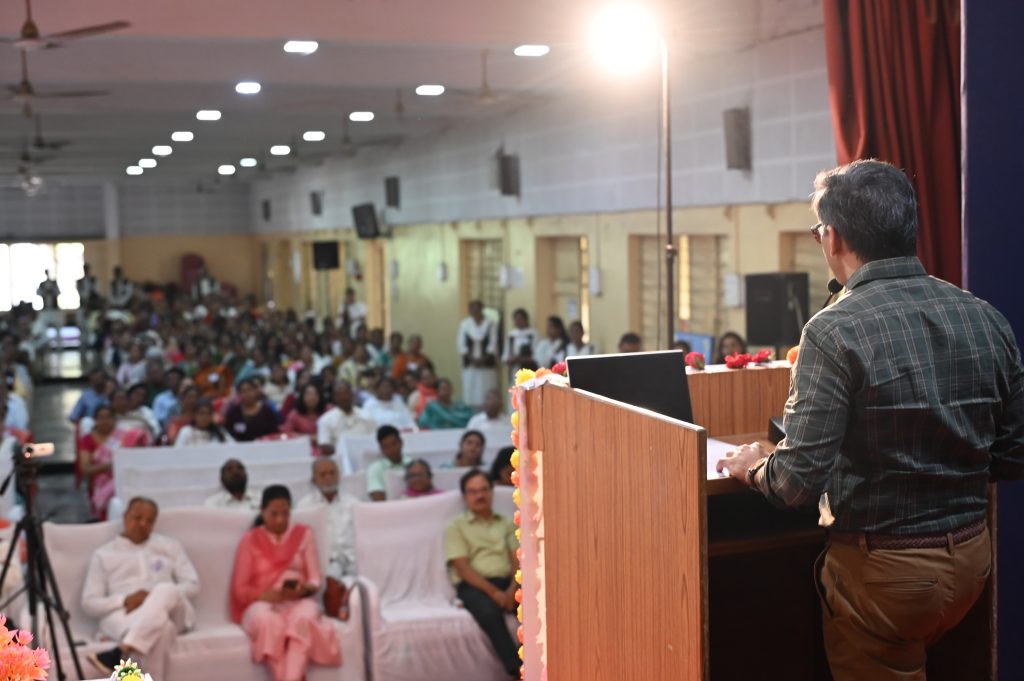
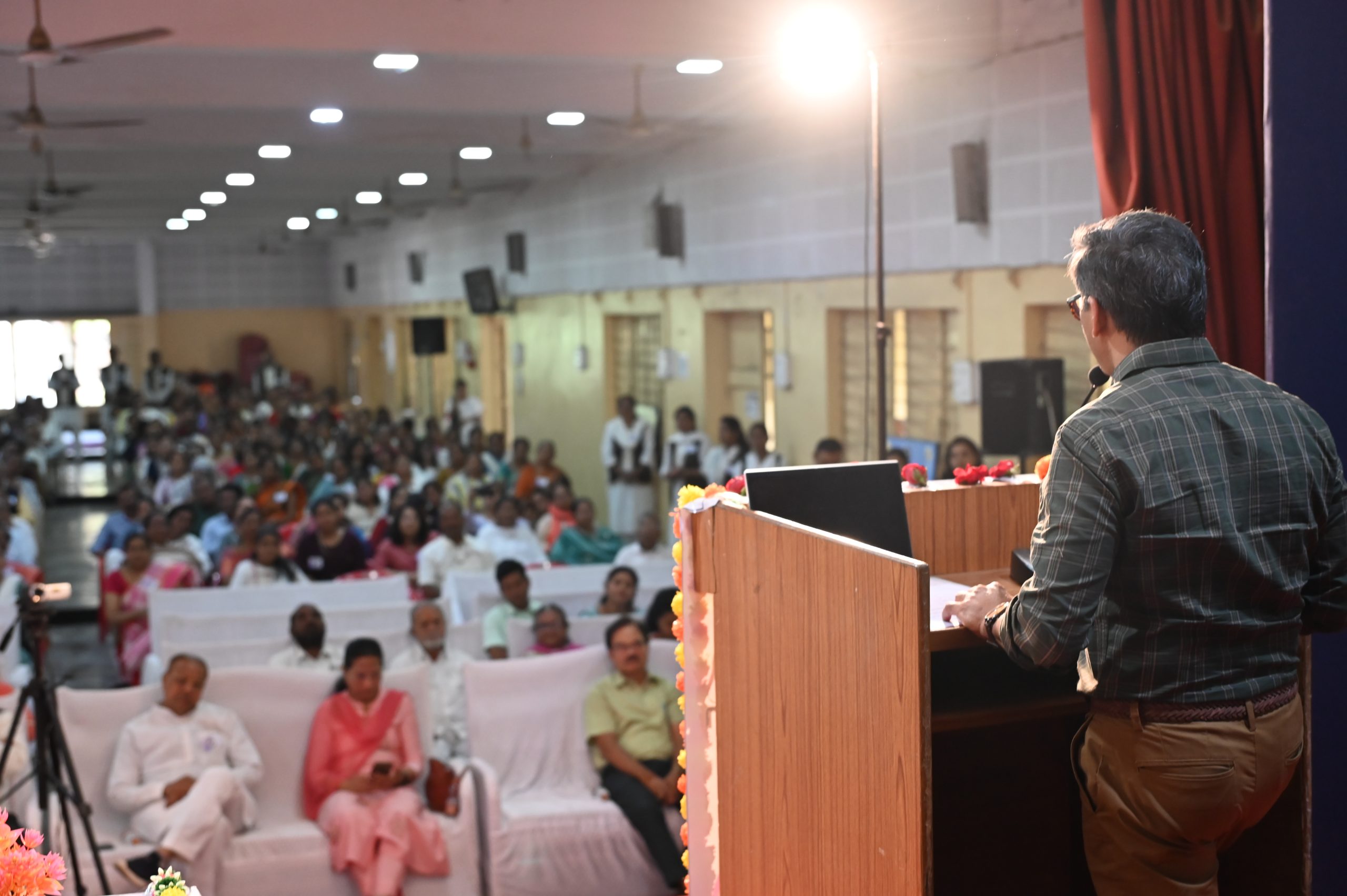
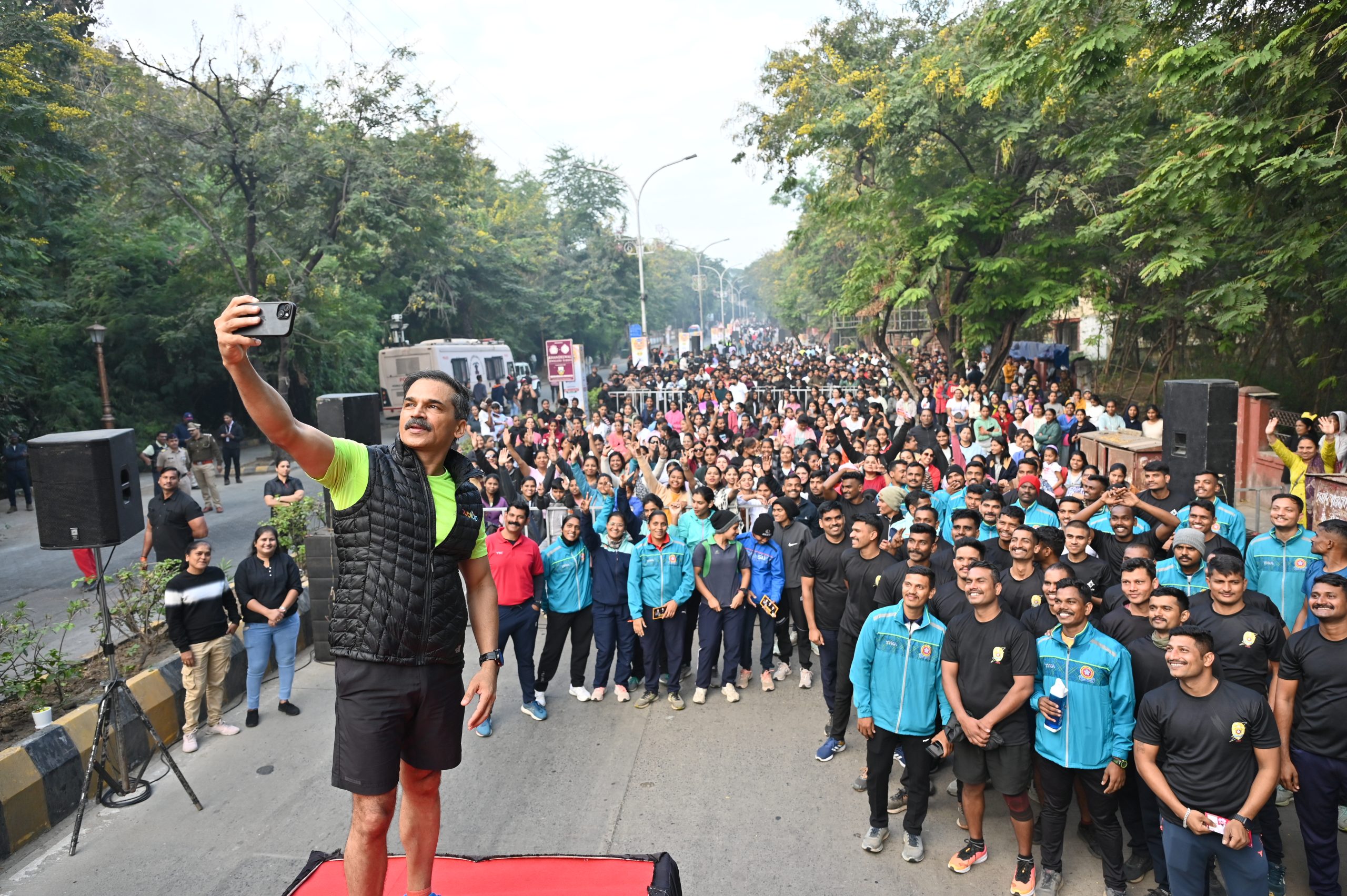
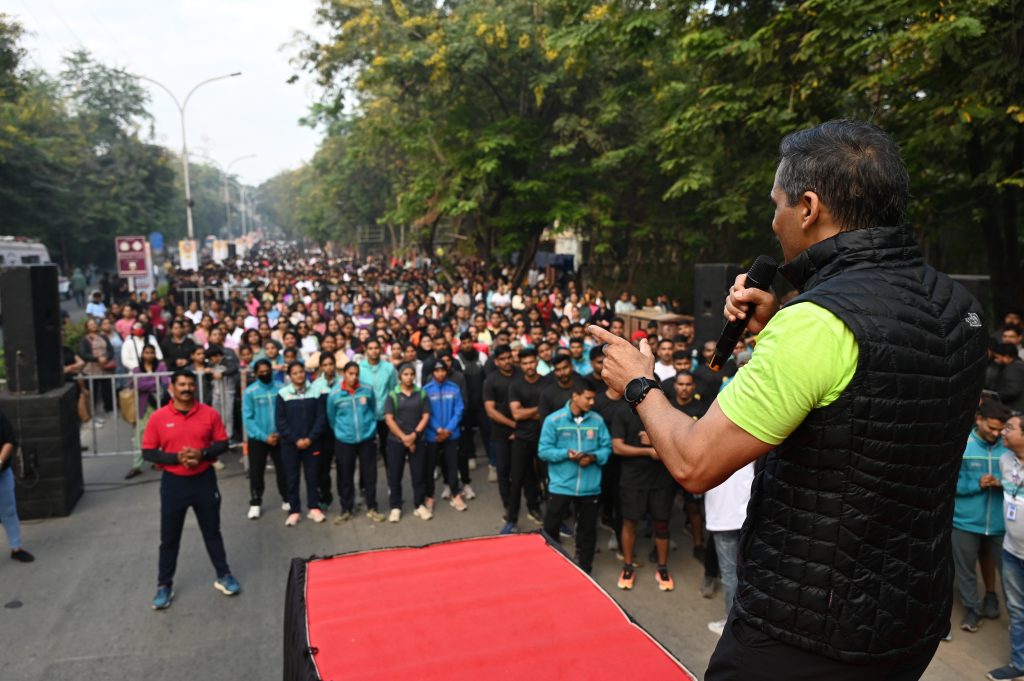
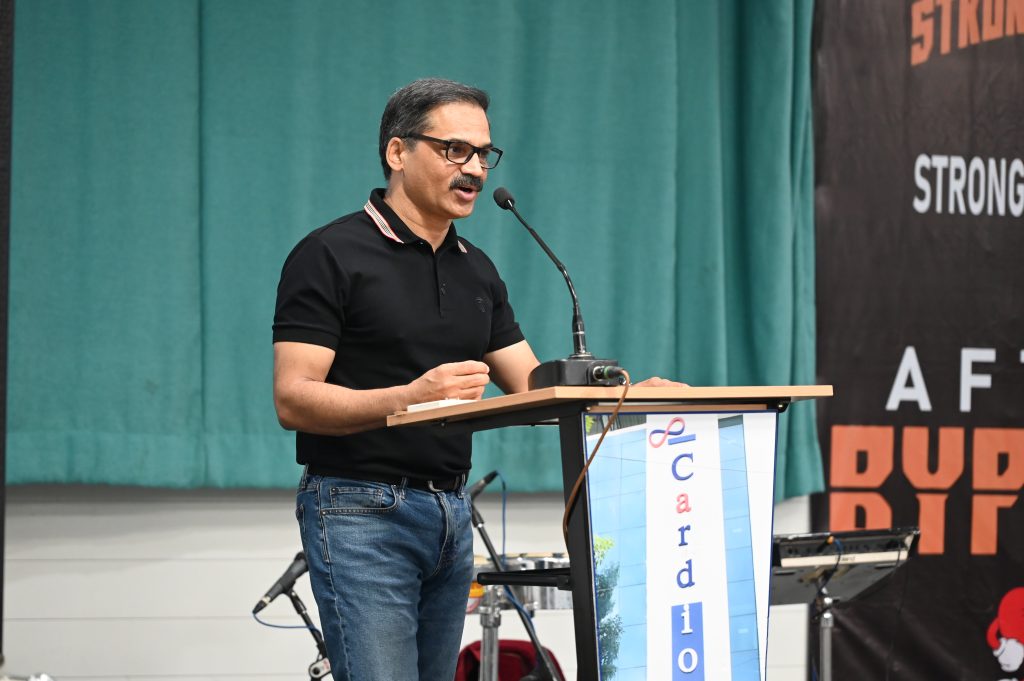
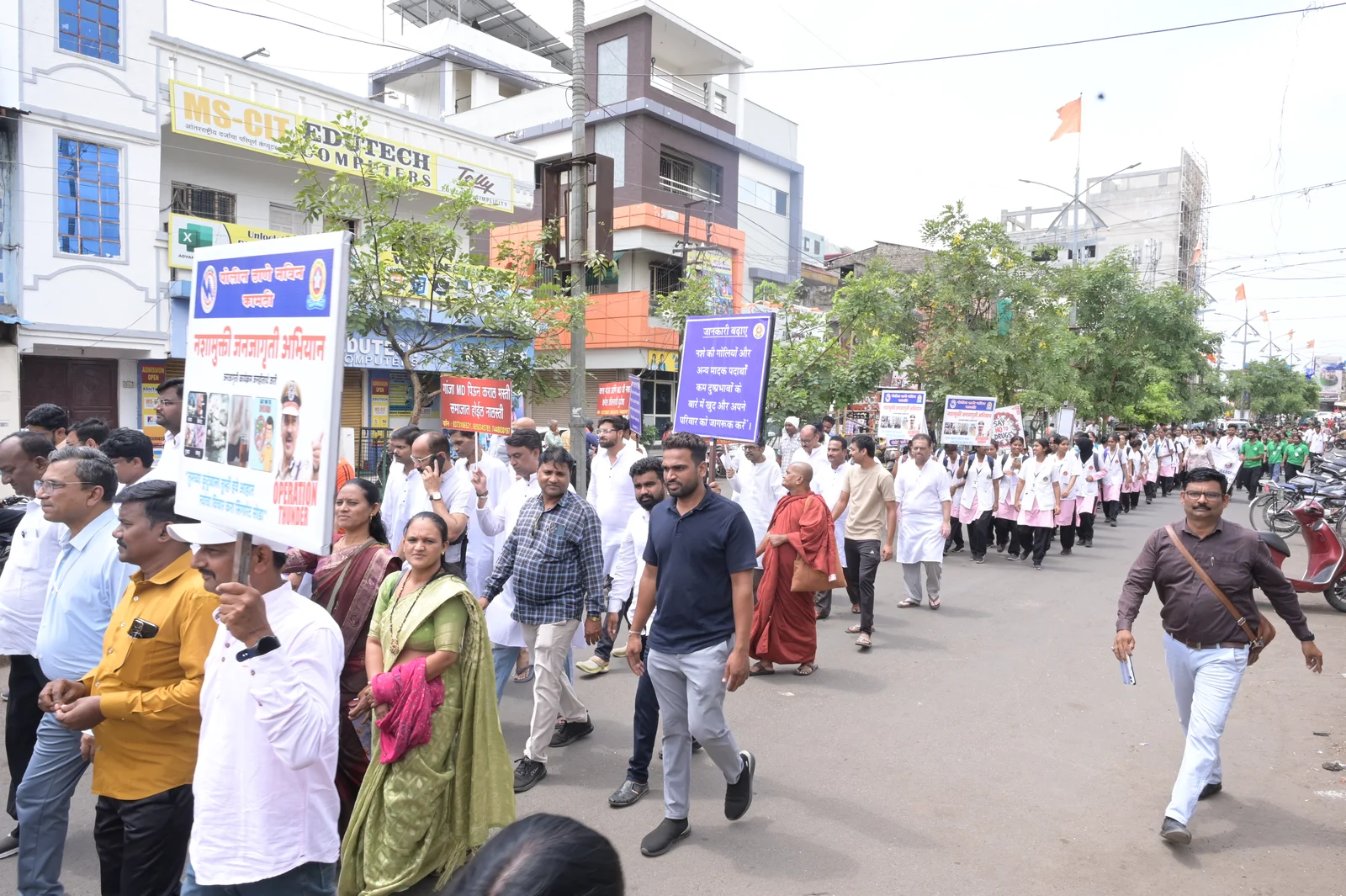
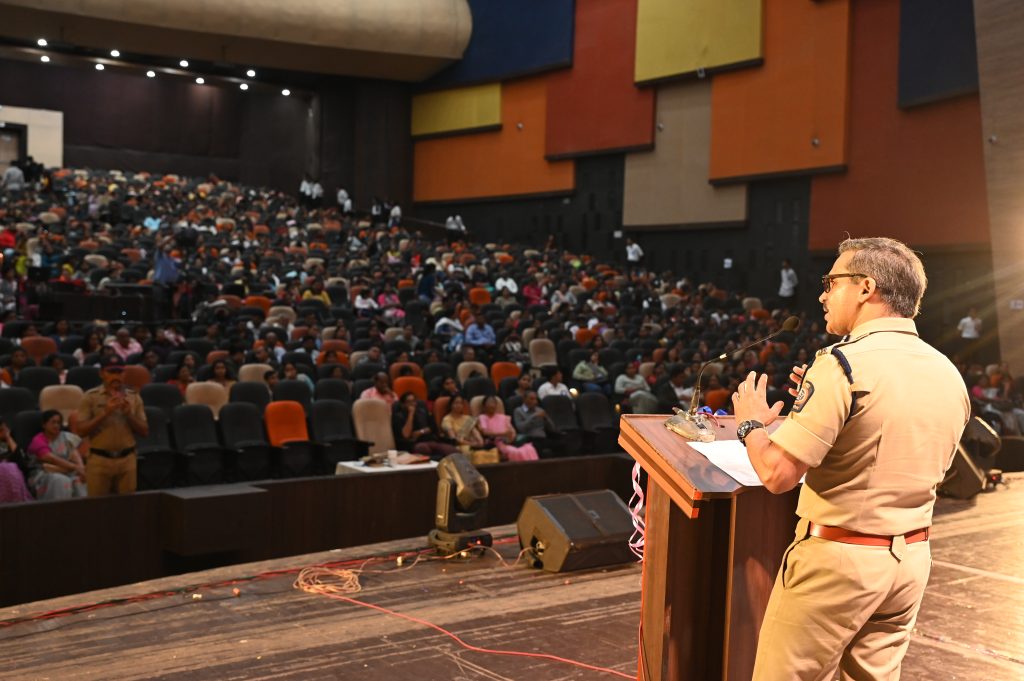
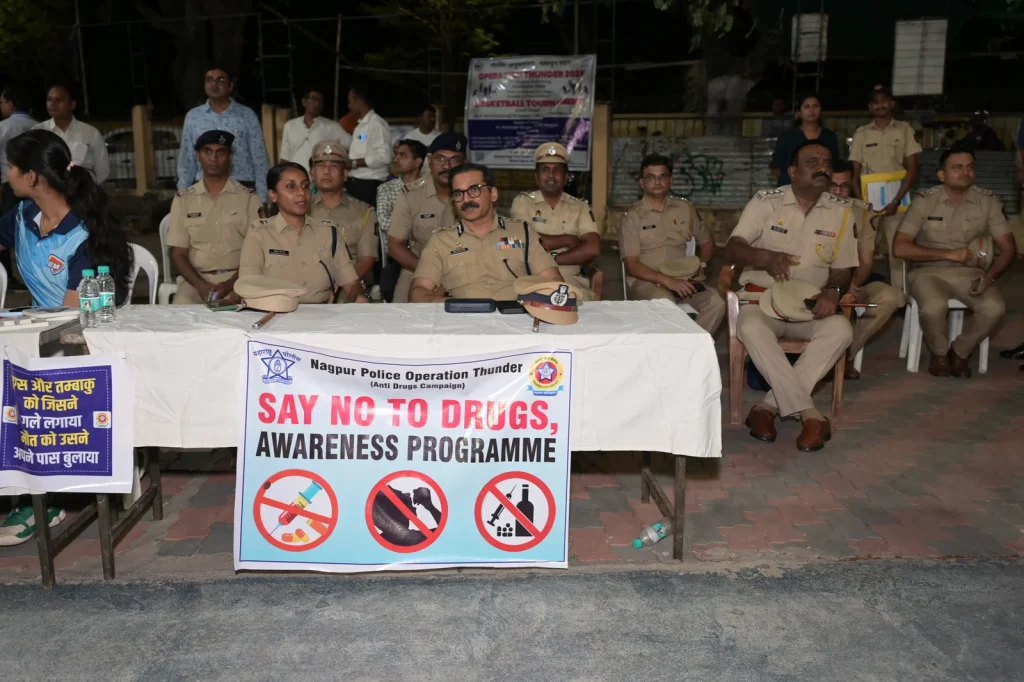
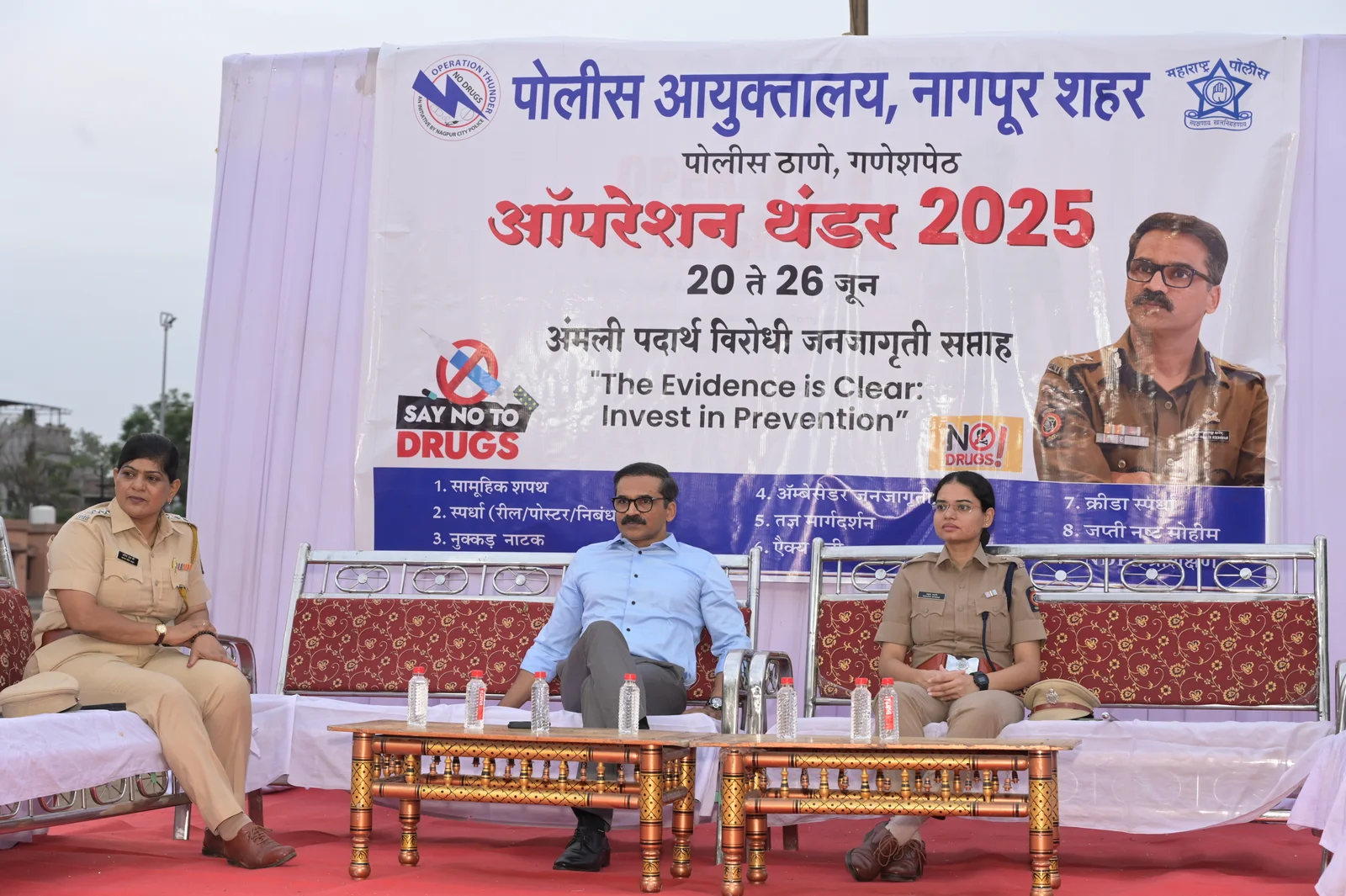
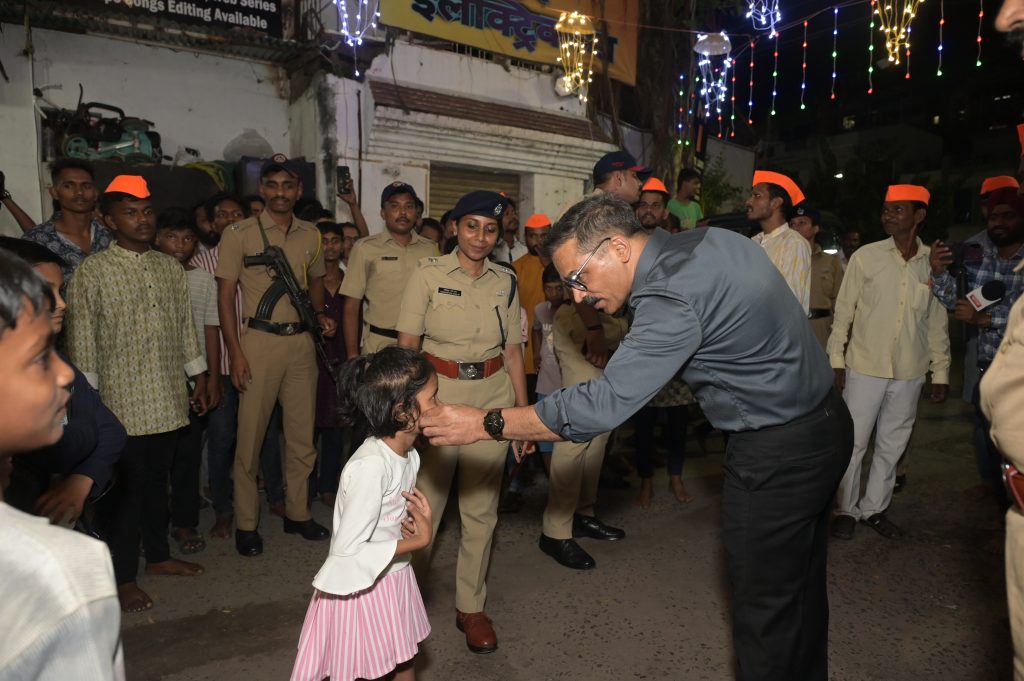
Dr Singal and his team took this message directly to the community through one of the region’s largest awareness campaigns, reaching people where they study, work, and live.
The initiative reached:
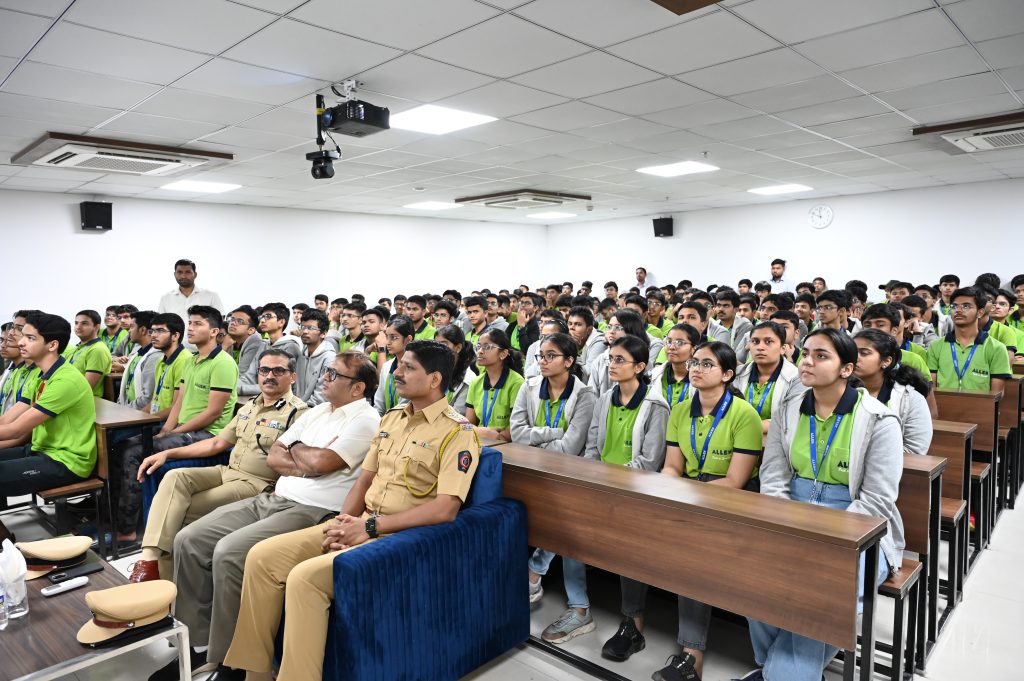
Schools, colleges, and universities
Coaching institutes
Industrial establishments
Government organisations
Villages and urban communities
Residential societies and public spaces
Community engagement included:
Seminars and workshops
Street plays
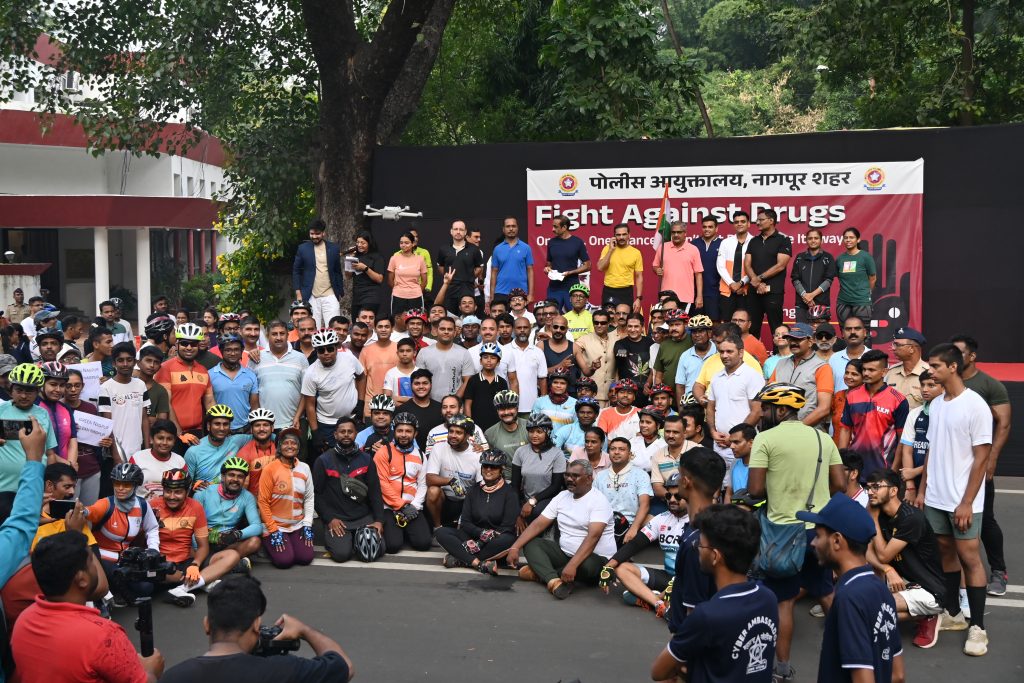
Marathons and sports events
Exhibitions
Pledge drives
Digital campaigns
Prevention Before Intervention
The most effective way to fight addiction is to prevent it before it begins.
Dr Singal and his team took this message directly to the community through one of the region’s largest awareness campaigns, reaching people where they study, work, and live.
The initiative reached:
Schools, colleges, and universities
Coaching institutes
Industrial establishments
Government organisations
Villages and urban communities
Residential societies and public spaces
Community engagement included:
Seminars and workshops
Street plays
Marathons and sports events
Exhibitions
Pledge drives
Digital campaigns
Empowering Young Changemakers
Young people are not just beneficiaries of Operation Thunder. They are its strongest partners. Through Anti-Drug Clubs in schools, colleges, and universities, students are encouraged to lead awareness campaigns, organise events, educate their peers, and become advocates for healthier communities.
Achievements
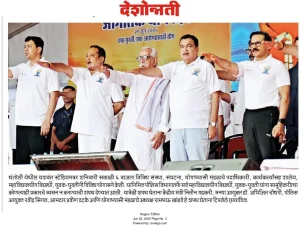
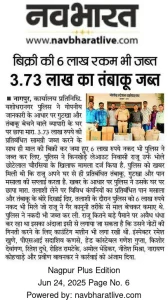
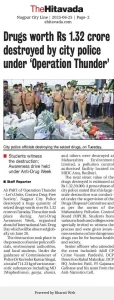
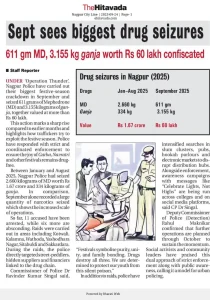
Operation Thunder combined intelligence-led policing with sustained community engagement to deliver measurable outcomes across enforcement, prevention, and rehabilitation.
1,099+ NDPS cases registered
1,438+ accused arrested
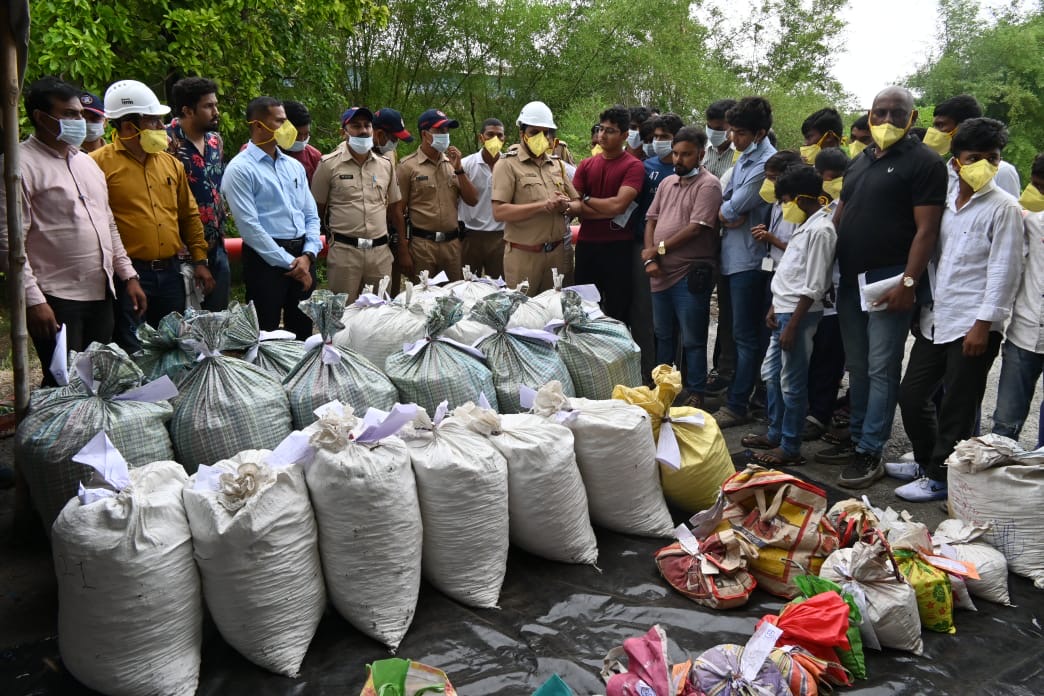
₹22 crore worth of illicit drugs seized
Major recoveries of cannabis, mephedrone (MD), charas, opium, brown sugar, LSD, and other synthetic narcotics
Hundreds of individuals connected with counselling and rehabilitation
Large-scale awareness campaigns across educational institutions, industries, government organisations, villages, and urban communities
Psychiatrists, mental health professionals, and counsellors were actively engaged to strengthen prevention, sensitisation, and rehabilitation efforts.
The Change It Inspired
Perhaps the most enduring contribution of Operation Thunder is the model it created. By bringing together citizens, institutions, and law enforcement, the initiative transformed the fight against drugs into a shared responsibility. It became more than an anti-drug campaign. It became a community movement.